
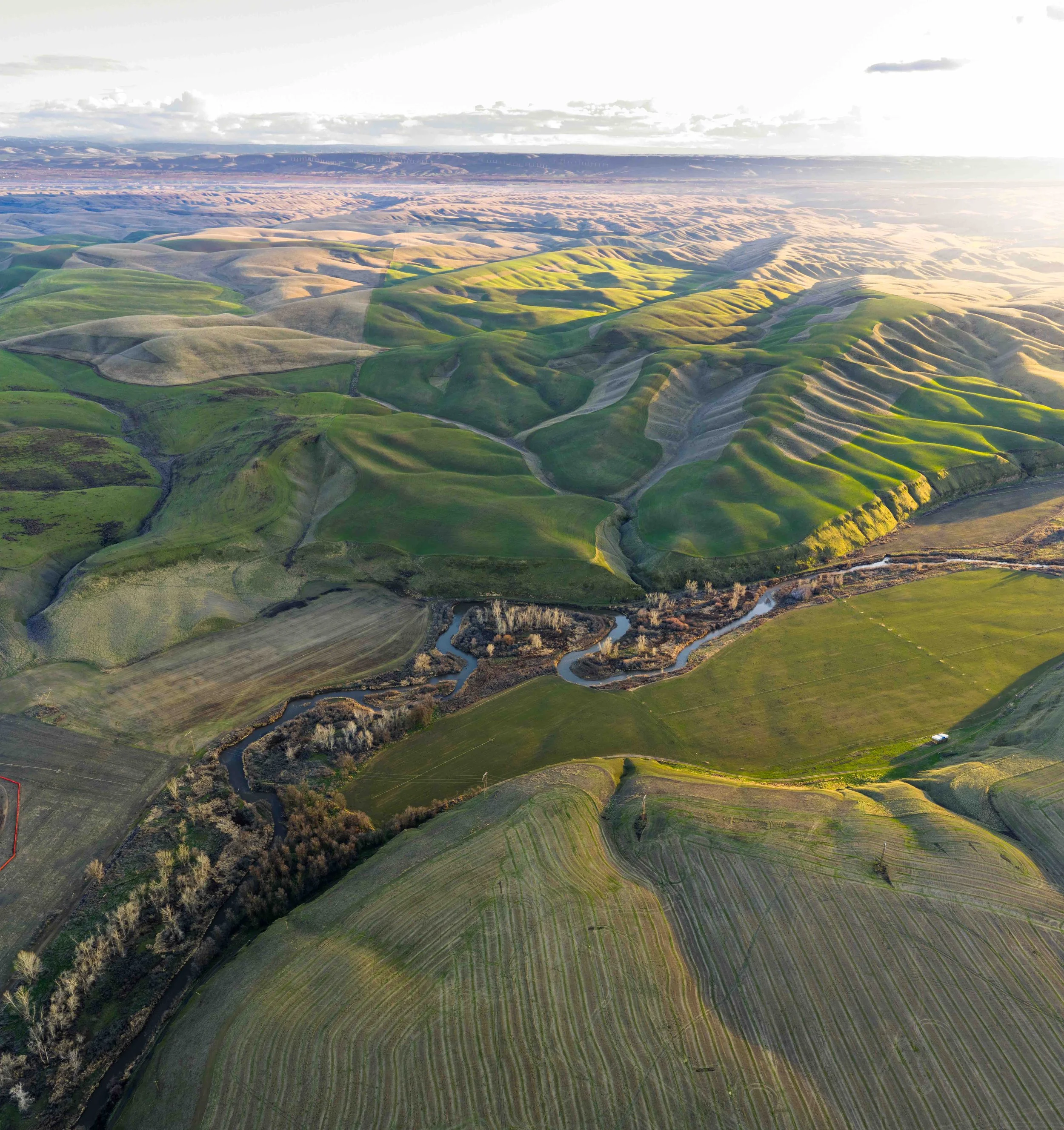
Blue Mountain Land Trust permanently protects 438 acres along the Touchet River through Túuši Wána Conservation & Restoration Easement.
Walla Walla, WA — Blue Mountain Land Trust has completed the Túuši Wána Conservation & Restoration Easement, permanently protecting 438.79 acres along the mainstem of the Touchet River in partnership with the Confederated Tribes of the Umatilla Indian Reservation (CTUIR).
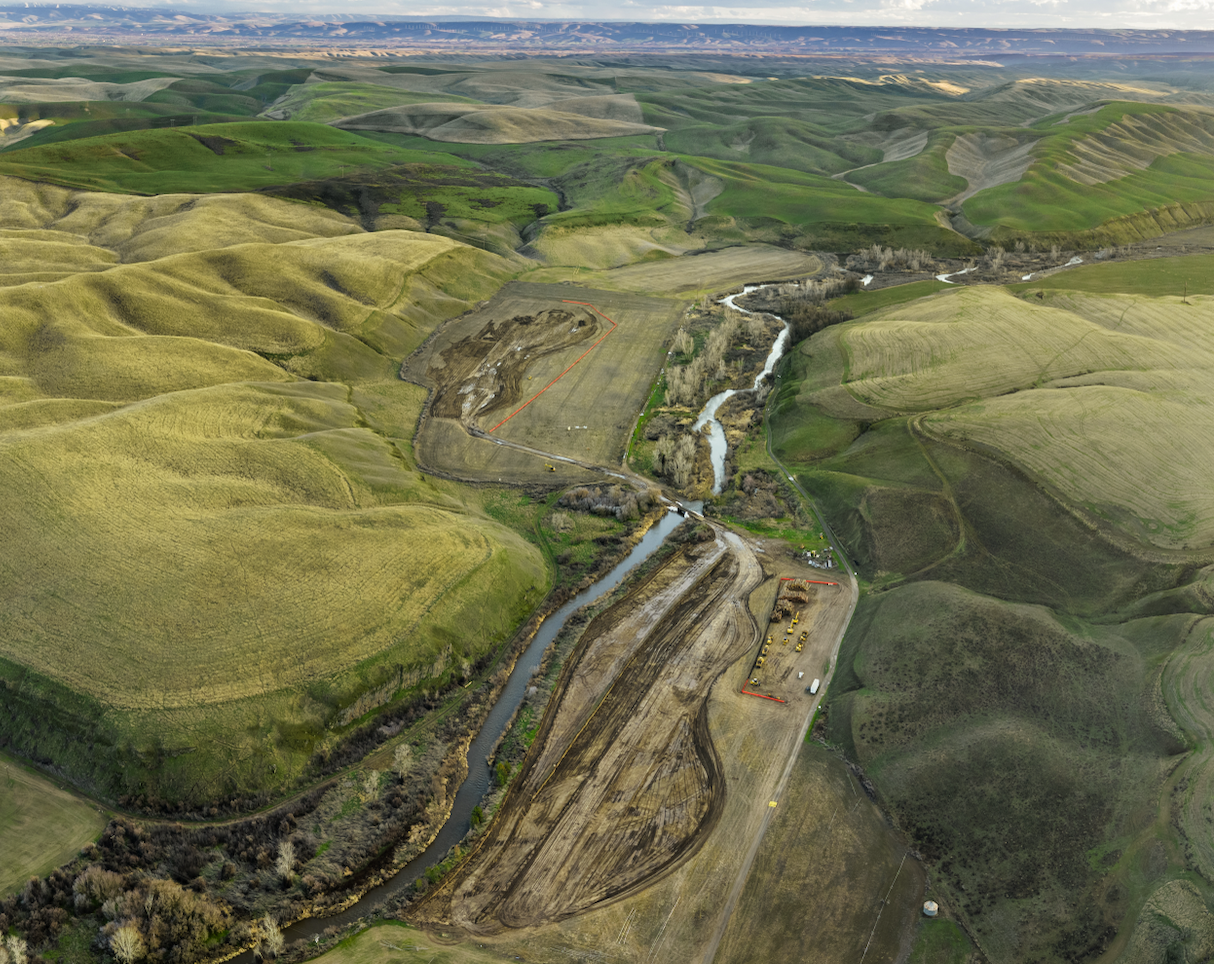
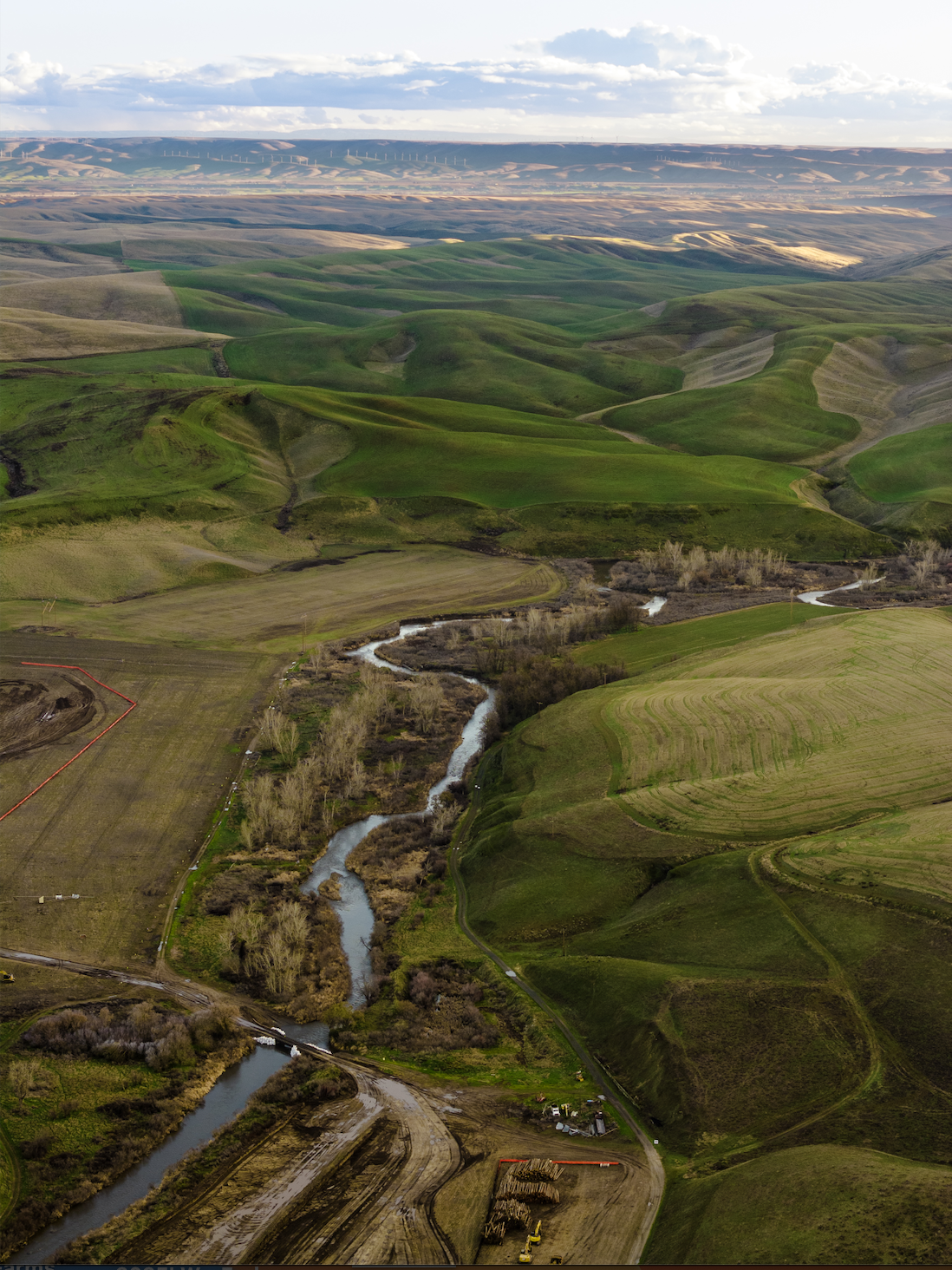
This property, which includes 340 acres of floodplain, nearly 100 acres of uplands, and three miles of river, is central to CTUIR’s large-scale restoration efforts. Guided by their First Foods mission and River Vision, the project reconnects the river to its floodplain, reversing decades of channelization and revitalizing habitat for native fish and wildlife.
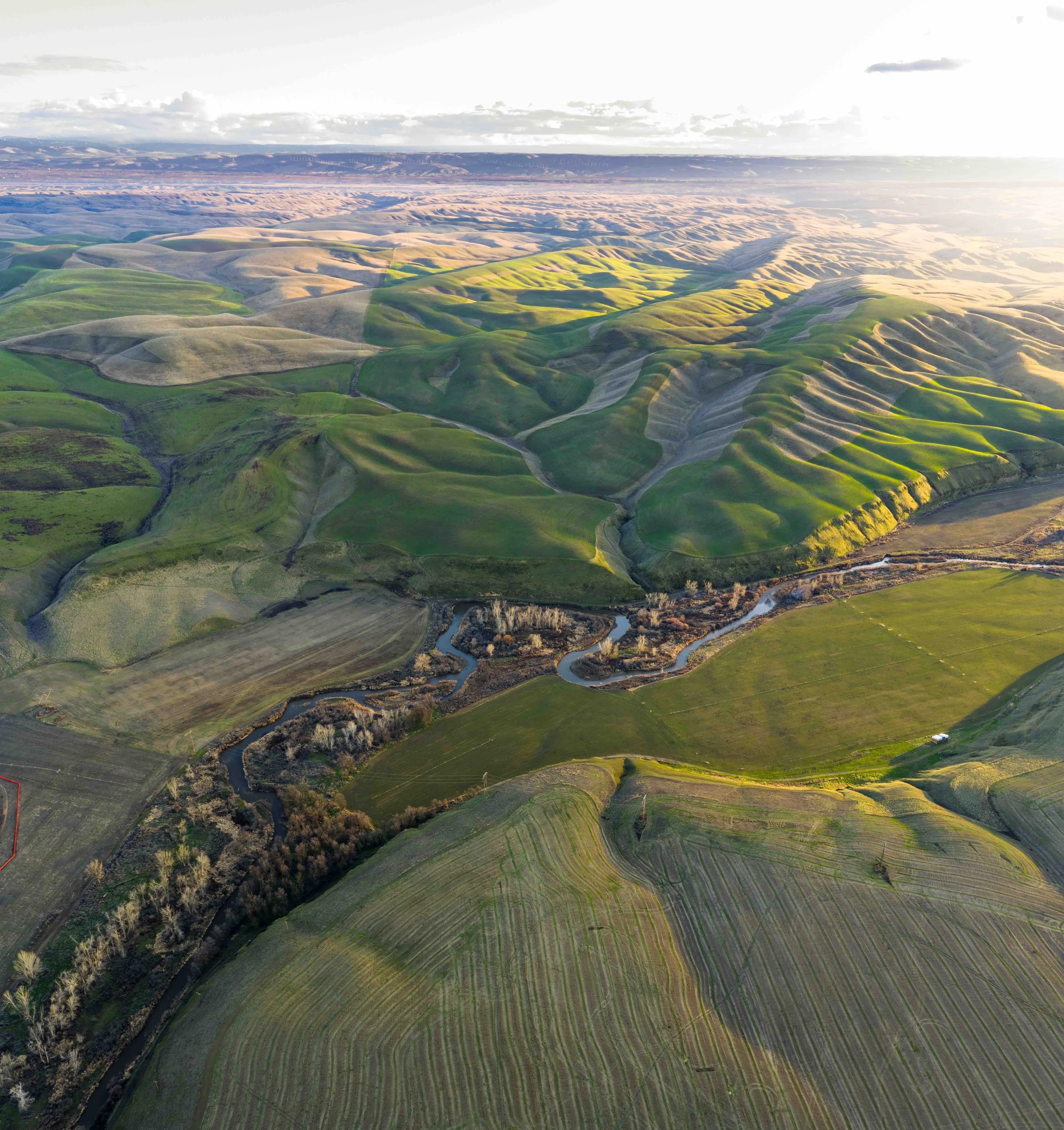
Túuši Wána Conservation & Restoration Easement. Photo by William Frohne
Restoring the Touchet River
The Touchet River is central to the culture and sustenance of the Confederated Tribes of the Umatilla Indian Reservation (CTUIR). Túuši Wána, meaning "baking salmon over coals by the river," highlights the connection to place and the efforts to bring salmon back to the area.
Yet the river’s history has not been without challenges. This stretch of the Touchet used to be a dynamic, braided system, with waters flowing through a maze of side channels across a broad floodplain.
Over time, upstream erosion filled the valley with sediment, raising the floodplain surface by up to 15 feet and forcing the river into a single, fast-moving channel. As the water quickened, it no longer spilled into side channels and wetlands. Habitat for fish and wildlife shrank.
Middle Columbia River steelhead are now listed as threatened, and Spring Chinook vanished from the Walla Walla Basin by the 1950s, only to be reintroduced by CTUIR after decades away.
Today, restoration plans are reversing that trend.
“The Túuši Wána Conservation & Restoration Easement is a vital piece for restoring salmonid habitat in the Walla Walla Subbasin,” said Jerry Middel, Project Leader for CTUIR Department of Natural Resources. “This 450-acre floodplain conservation easement along a 3-mile-long stretch of the mainstem Touchet River will allow the CTUIR the opportunity to reconnect the floodplain to the river and add much needed instream diversity which will benefit winter rearing habitat for juvenile salmonids.”
Crews are lowering parts of the floodplain, giving the river room to breathe and spread out, much as it once did. New side channels are carved, large logs are placed to add structure, and bends are reshaped to slow the water’s pace. As the river reclaims its floodplain, water will seep into the earth, downstream flooding will be reduced, and new habitats will be created for fish and wildlife.
These restored floodplain habitats are especially critical for young salmon and steelhead. While adults spawn upstream, juveniles rely on slow, sheltered waters during winter's high flows. Side channels and pools provide vital refuge and abundant food, like aquatic insects that thrive in clean gravel and around woody debris. Fish that can grow larger here are more likely to survive their journey to the ocean and, one day, return as adults, helping to rebuild populations for the future.
“This project provides a place on the Touchet River for steelhead and salmon fry to grow big and strong before their journey out to the Pacific Ocean,” said Fraser Moore, BMLT Conservation Manager. “The bigger they grow in our waters, the better the chance they have of returning. By permanently protecting the Tribes’ investment in river restoration, we’re giving fish a chance to thrive.”
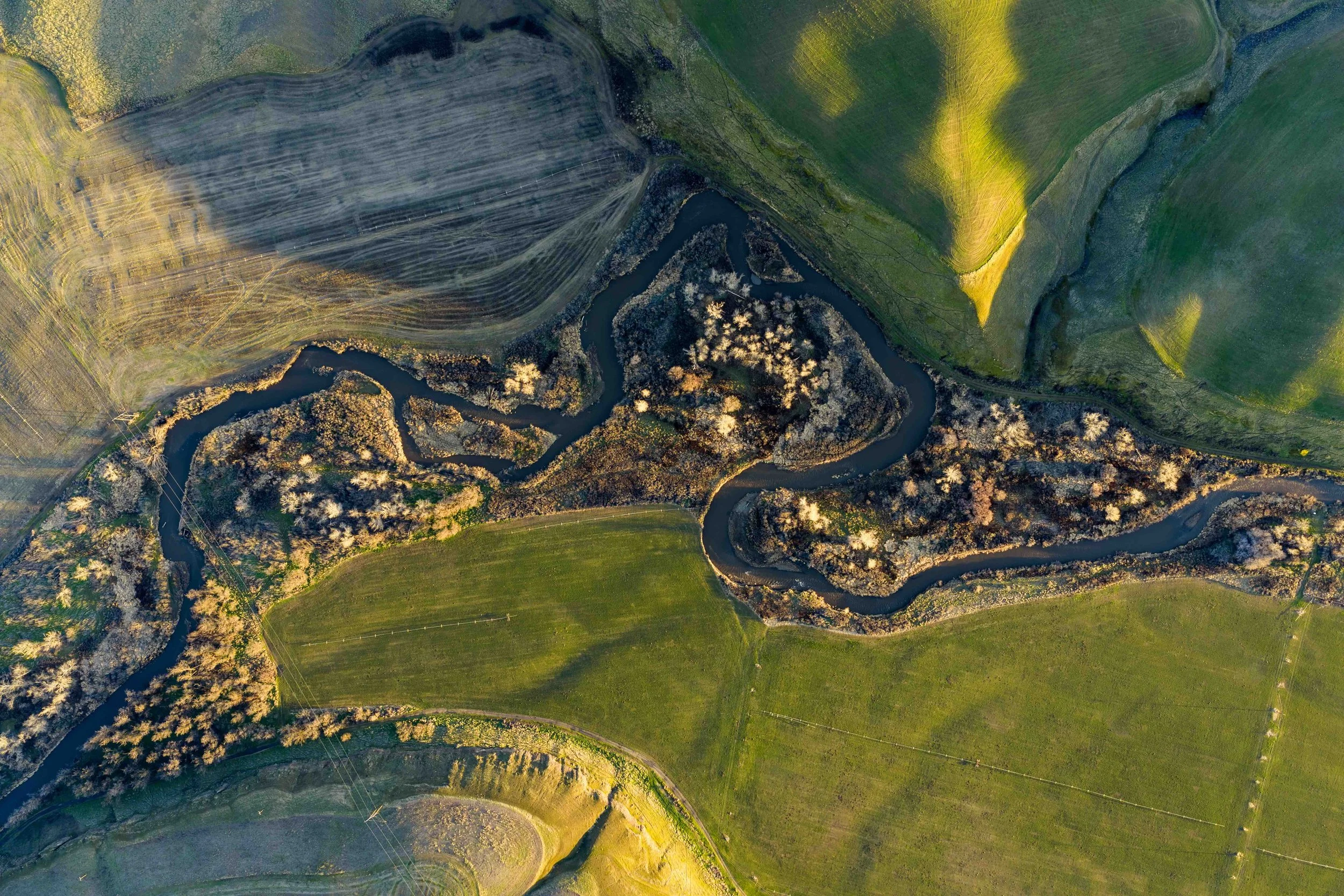
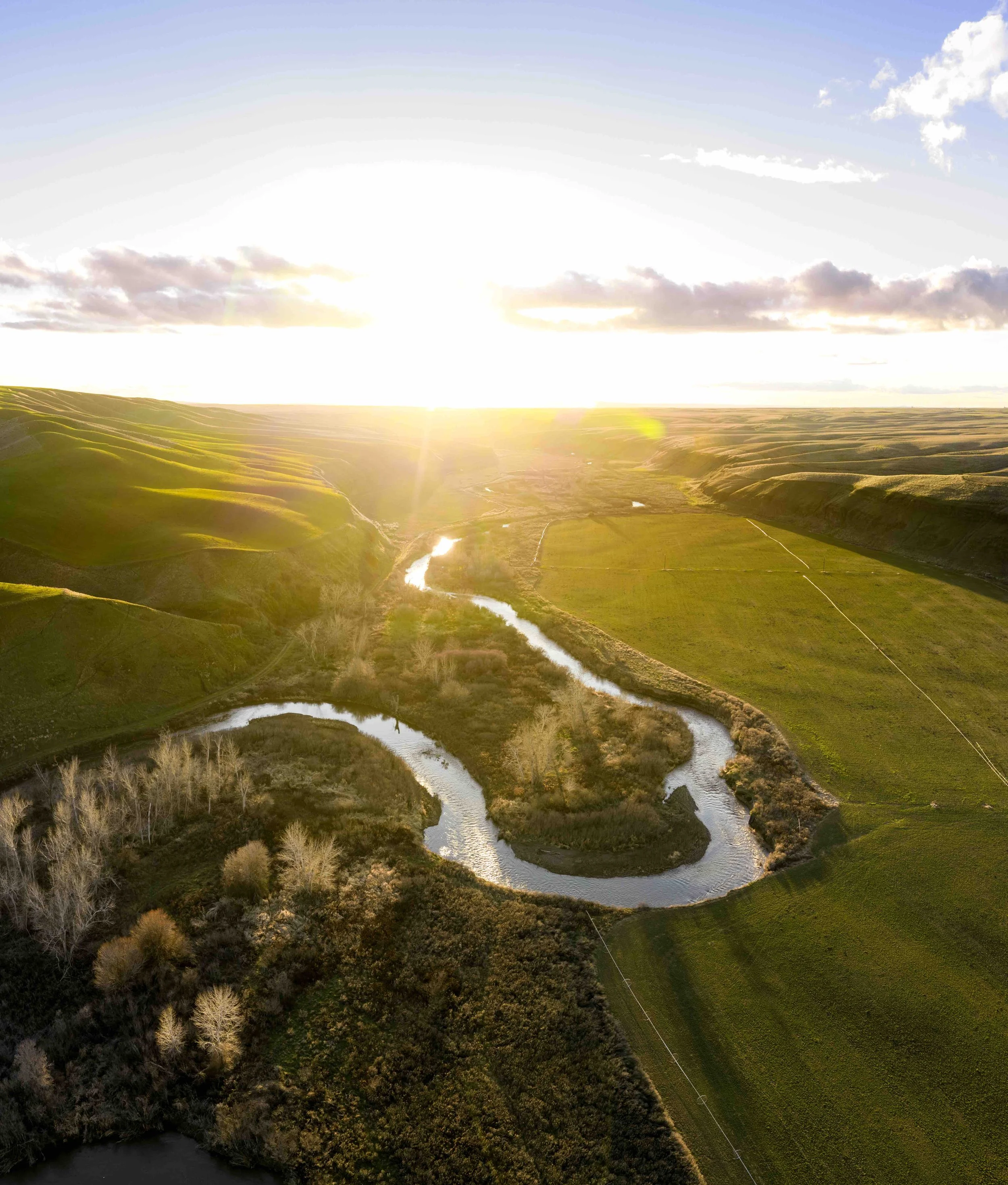
Photo by Wiliam Frohne
Keeping water instream
In addition to the ongoing efforts to restore and secure a permanent conservation easement for the river corridor, CTUIR was instrumental in facilitating a water transaction with the Washington Water Trust. This helps maintain a steady flow of water in the river, especially during the warm, low-flow months of the year. As part of this initiative, 3.21 to 4.174 cubic feet per second (CFS), a measure representing the volume of water passing a specific point each second, will be consistently left instream in the Touchet River. In the summer months, 3.21 CFS will be left instream for fish and wildlife, and during the winter, 4.174 CFS.
This approach significantly benefits salmon and steelhead during their demanding migratory journey to the headwaters for spawning. Ensuring a continuous flow of water sustains favorable conditions for fish during a critical point in their life cycle.
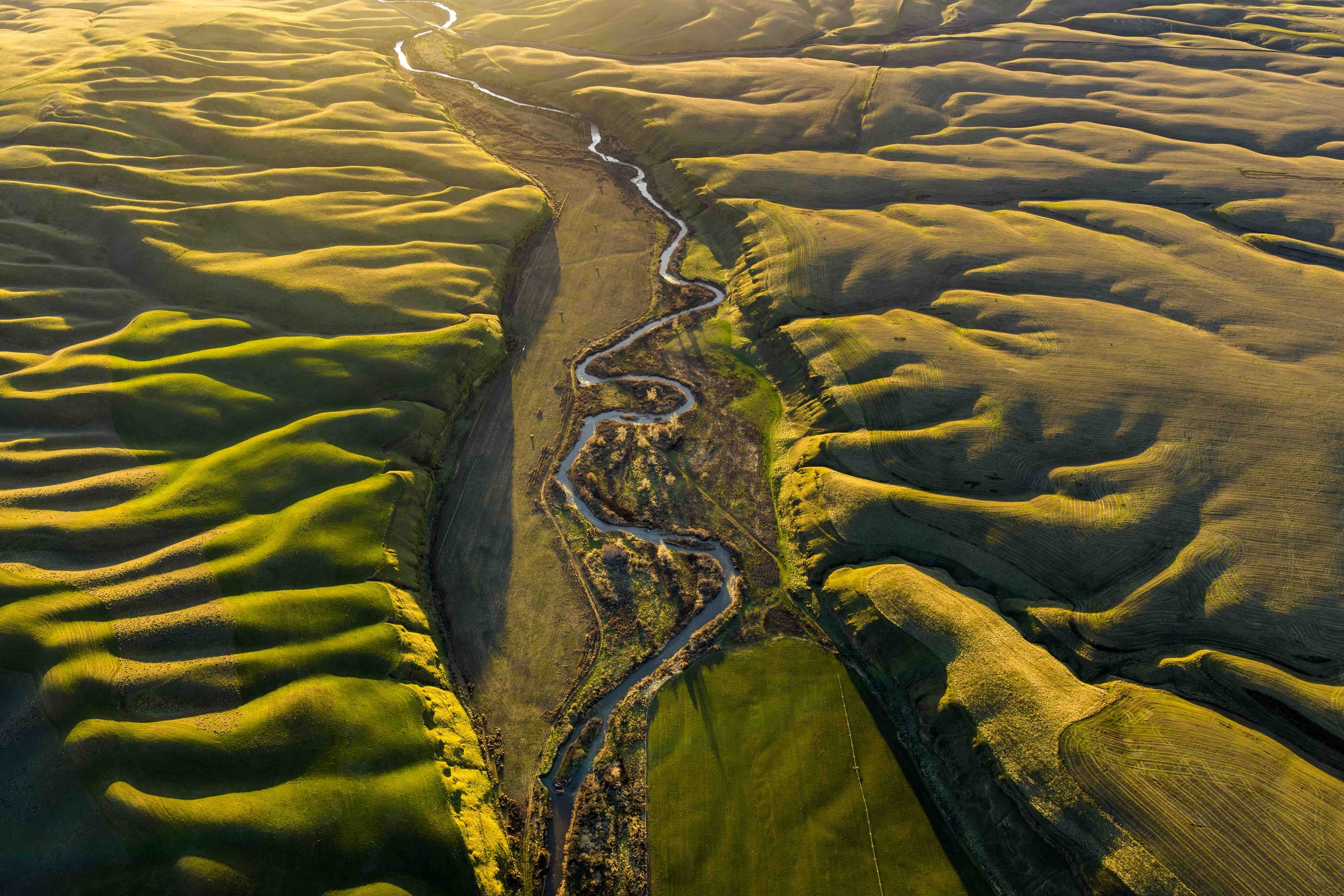
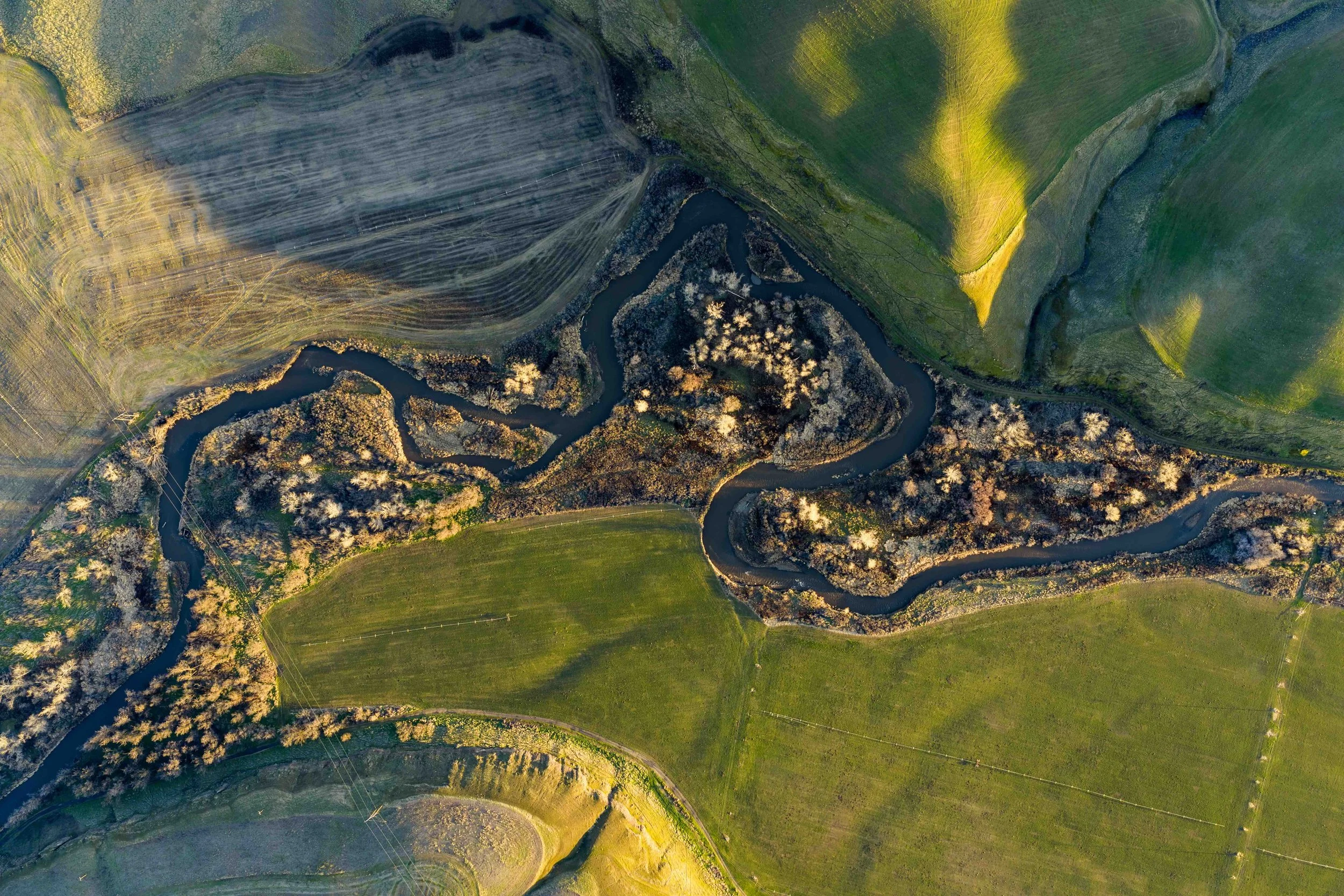
Photo by William Frohne
Native plants, healthy habitat
Restoring native plant communities is essential to the broader recovery of the floodplain. Years of channelization and the spread of invasive species, such as Russian olive, have altered the landscape. Aging cottonwoods no longer regenerate as they once did. To address these changes, the project will reestablish a diverse mix of native trees and shrubs across the property.
More than 40,000 native trees and shrubs, plus 17,000 pounds of native seeds, will be planted, starting with willows to stabilize the riverbanks. Later plantings will introduce culturally important and wildlife-supporting species, including snowberry, chokecherry, golden currant, and elderberry, sourced from CTUIR’s native plant nursery.
As these young forests and meadows take root, the floodplain will once again support a wide variety of wildlife. Bald eagles and yellow warblers may nest in the trees, while frogs and salamanders return to the water’s edge. Reconnected corridors will welcome migratory birds and mammals back to the river, creating a diverse ecosystem for the future.
“The Umatilla Tribes are pleased to be partnering on the Túuši Wána project with the landowners, Blue Mountain Land Trust, and Bonneville Power Administration. This effort exemplifies the Walla Walla Basin’s commitment to working together to collaboratively restore salmon, stream flows, and wildlife habitat throughout the region,” said Anton Chiono, Habitat Conservation Project Leader for CTUIR Department of Natural Resources. “We look forward to welcoming salmon back to the restoration site and are excited to learn that a moose has already decided to move in!”
Protected, Forever
Completing the easement took more than two years and builds on more than a decade of CTUIR's collaboration and restoration planning with landowners for this stretch of the Touchet River.
“Our restoration work reflects the CTUIR’s River Vision and takes a step in supporting the goals of the Walla Walla 2050 Initiative,” said Jerry Middel. “Thank you to the Blue Mountain Land Trust for helping to make this project a reality.”
Landowners John and Susan Gailey chose to permanently conserve their property to support the ongoing restoration work.
“We chose to work with CTUIR and Blue Mountain Land Trust in placing a conservation easement on our land along the Touchet River because we believe and wanted to be a part of their River Vision philosophy,” said John and Susan Gailey. “Their expertise in restoration work ensures that our property supports native fish species for generations to come.”
A conservation easement is a voluntary legal agreement that ensures the land’s environmental values, such as habitat, water quality, and open space, are protected for the long term. Blue Mountain Land Trust monitors the property annually to ensure these protections endure, enabling restoration efforts to have a lasting impact.
“We originally planned to only place a conservation easement on a smaller area but ultimately decided to conserve the majority of our land to make a bigger impact. We are excited to see the completed restoration work and appreciate all the work Jerry and Anton with CTUIR and Fraser with Blue Mountain Land Trust have done to make this easement and restoration a reality,” said John and Susan.
Collaboration for conservation
Conservation success depends on the commitment of many partners. Blue Mountain Land Trust, the Confederated Tribes of the Umatilla Indian Reservation, landowners John and Susan Galley, Washington Water Trust, and the Washington Department of Ecology each contributed expertise and support to bring the project to life.
Permanent protection of the property was made possible by funding from the Bonneville Power Administration.
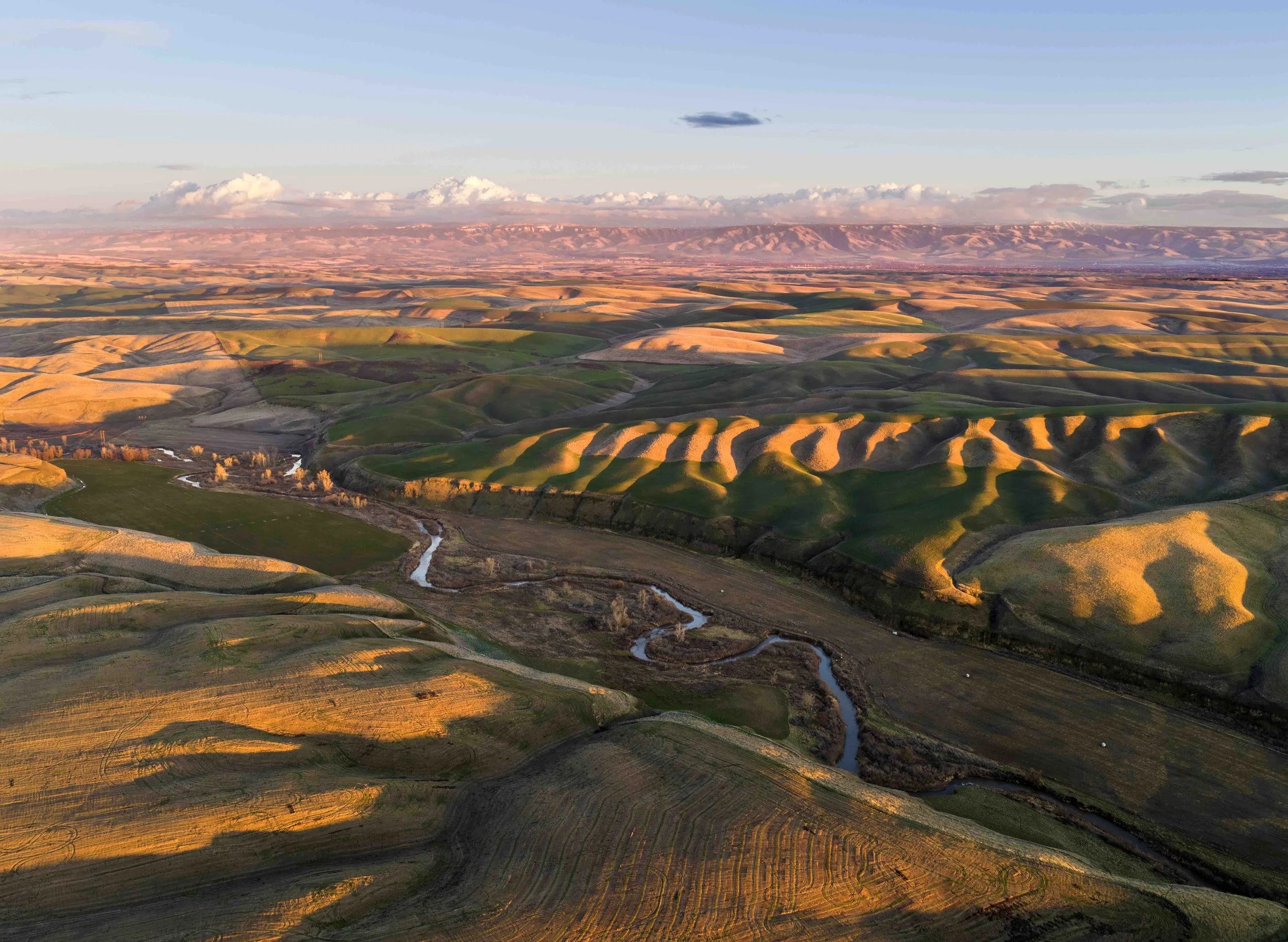
Now, with the easement in place, this stretch of the Touchet River is protected for good. The land and water will continue to provide for salmon, wildlife, and Tribal First Foods far into the future.
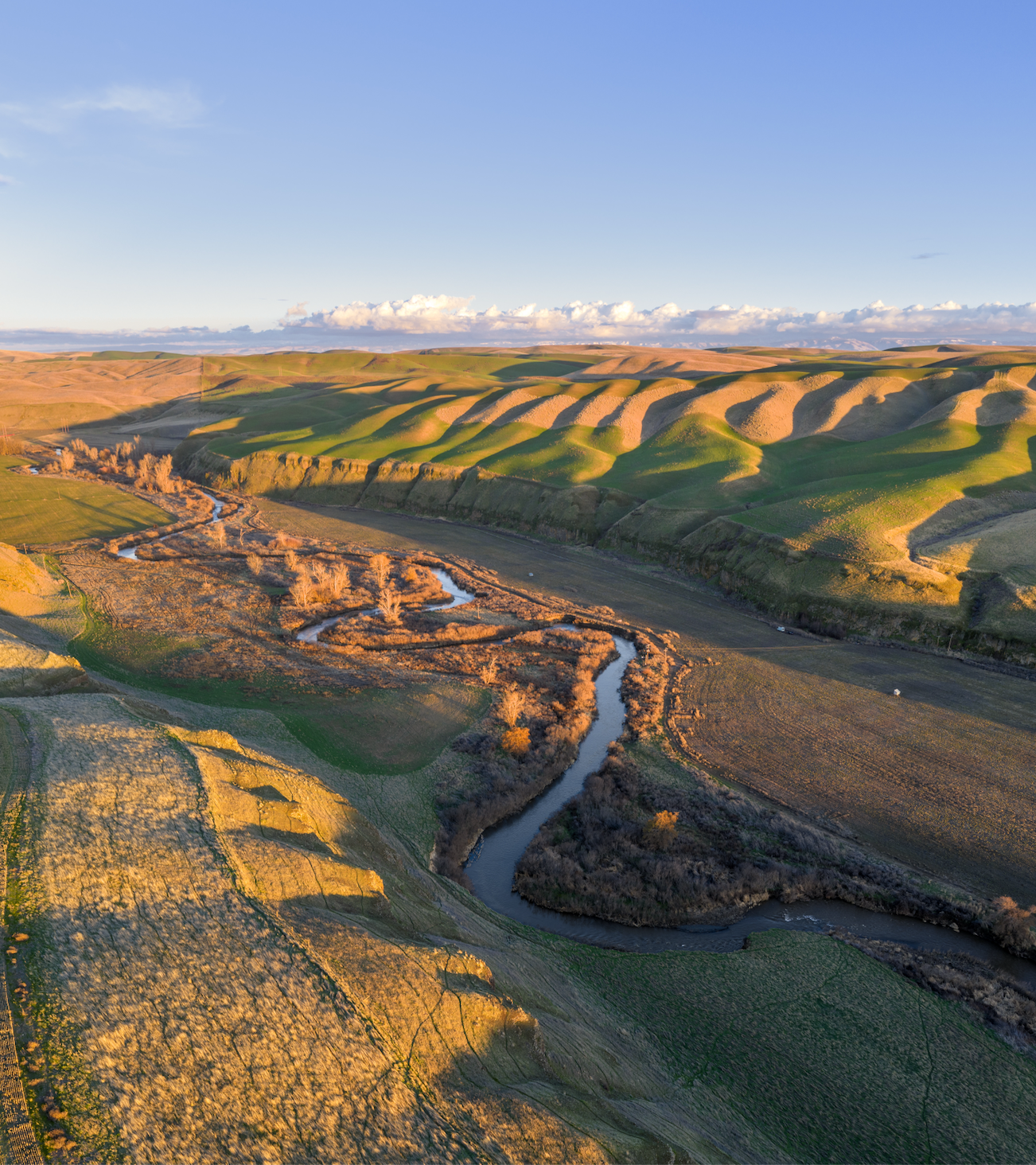
Photo by William Frohne
For more information, please contact:
Alyssa Martinez Neumann
Communications and Marketing Director
Blue Mountain Land Trust
alyssa@bmlt.org
(509) 520-5136