A commitment to the land.
The Blue Mountain region is like no other. From rolling farm fields to flowing rivers and sagebrush seas, these landscapes hold what we value most: clean water, wide-open spaces, vital wildlife habitat, healthy soils, and livelihoods for agricultural communities.
Protecting a property isn’t where the work ends, it’s when our perpetual responsibility begins.
When BMLT completes a conservation easement, we are responsible for regularly monitoring and collecting data to ensure responsible stewardship, leading to greater conservation benefits for the environment and communities.
This ongoing land stewardship is what we mean when we say, “We protect the land you love. Forever.”
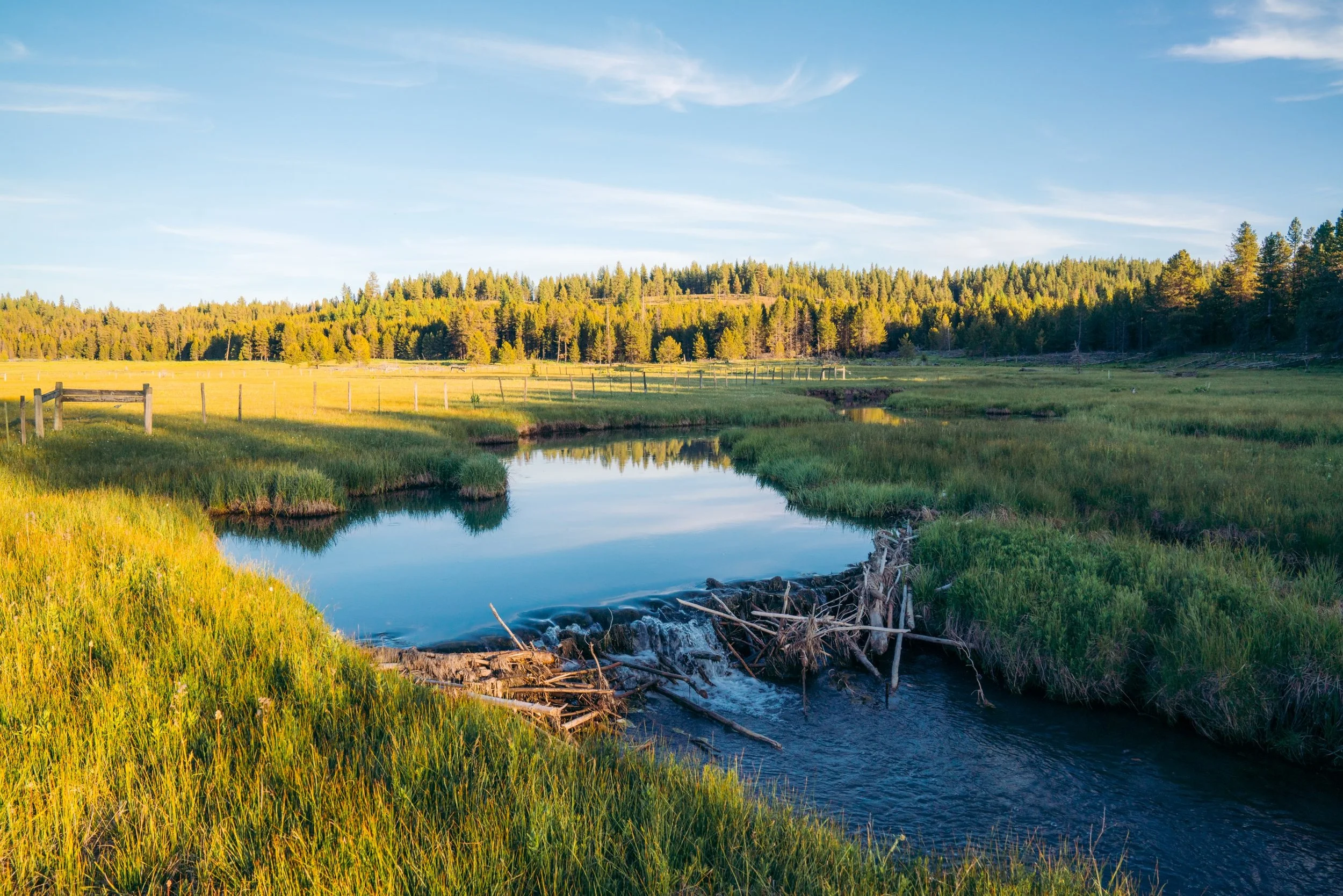
Photograph by Matt Franklin
Restoration in Action: Phipps Meadow
Location: Grant County, OR
Project Size: 278 acres
Rivers: Middle Fork John Day
Stats: Home to 200+ species
Five years after acquiring Phipps Meadow, Blue Mountain Land Trust and the Confederated Tribes of the Warm Springs of Oregon are moving into a new phase of restoration. Working with partners in the John Day Basin Partnership, the team is taking a landscape-wide approach to improve forest health, reconnect the meadow, and restore cold-water habitat for native fish.
BMLT acquired the 279-acre property in 2021 with support from an Oregon Watershed Enhancement Board (OWEB) Land Acquisition Grant. Surrounded by the Malheur National Forest, Phipps Meadow includes 1.6 miles of the Middle Fork John Day River headwaters, along with cold-water springs that emerge within the meadow. The property was permanently protected through an OWEB conservation easement in 2023.
Phipps Meadow supports a rich mix of native plants, culturally important First Foods, and wildlife. Its cold-water streams provide important spawning and rearing habitat for threatened spring Chinook salmon and Mid-Columbia steelhead. The John Day River watershed is one of the Columbia River basin’s last strongholds for native salmon and steelhead runs.
More than a century of grazing, logging, road development, and fire suppression has changed parts of the landscape. Those impacts, along with a warming and drying climate, have made restoration work increasingly important.
The Confederated Tribes of the Warm Springs of Oregon have led the development of a meadow restoration plan with biologists, engineers, and other project partners. The work will reconnect the river with its floodplain, improve wetland habitat, and bring more cold water through the meadow.
Plans include replacing a restrictive culvert with a bridge, reconnecting old river channels, adding large wood and beaver-dam analogs, and planting native willows, alder, and cottonwood along the stream. Together, these changes will create better conditions for fish, wildlife, and the plants that sustain the meadow. Final design is underway, with construction planned for summer 2027.
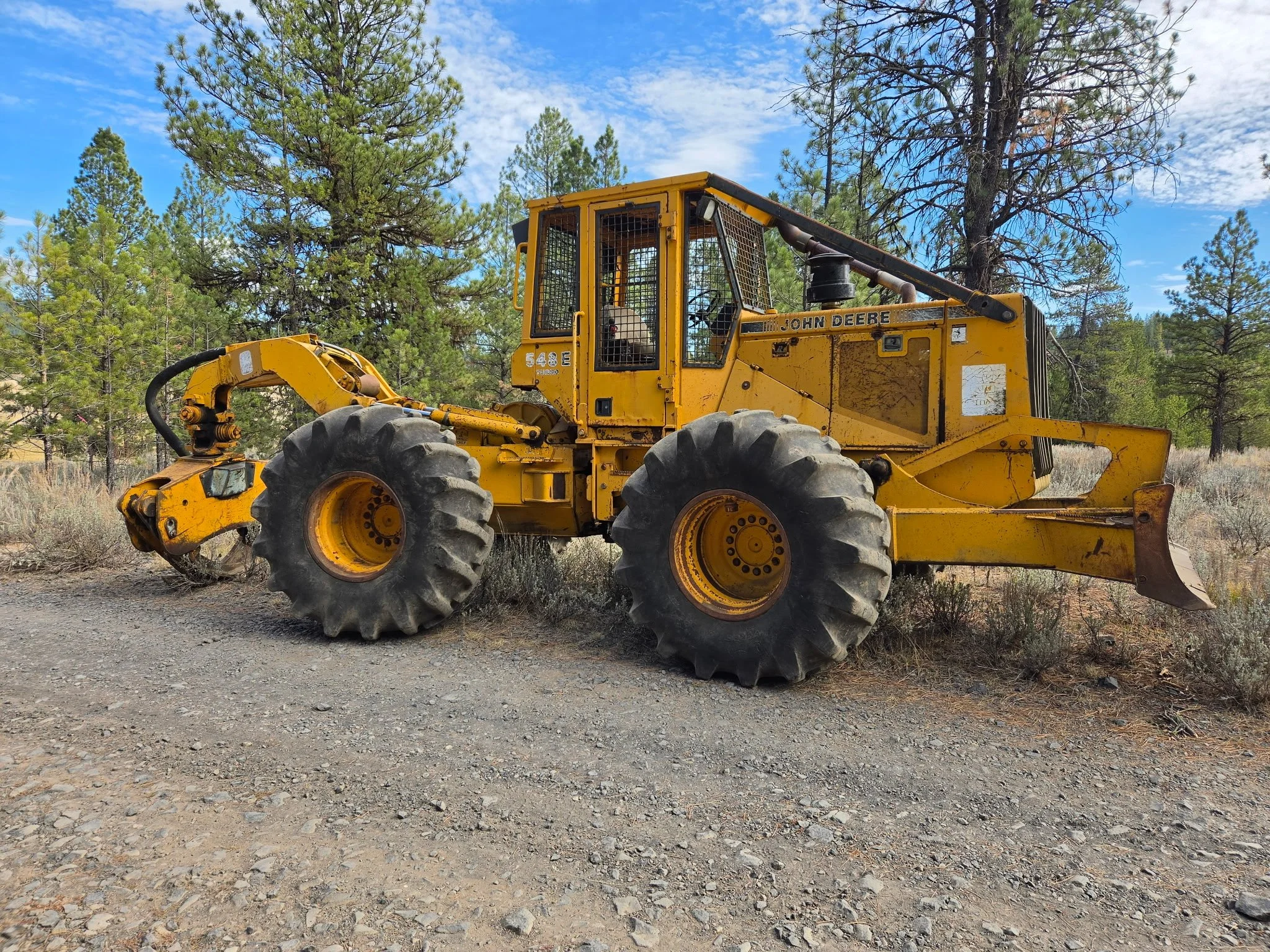
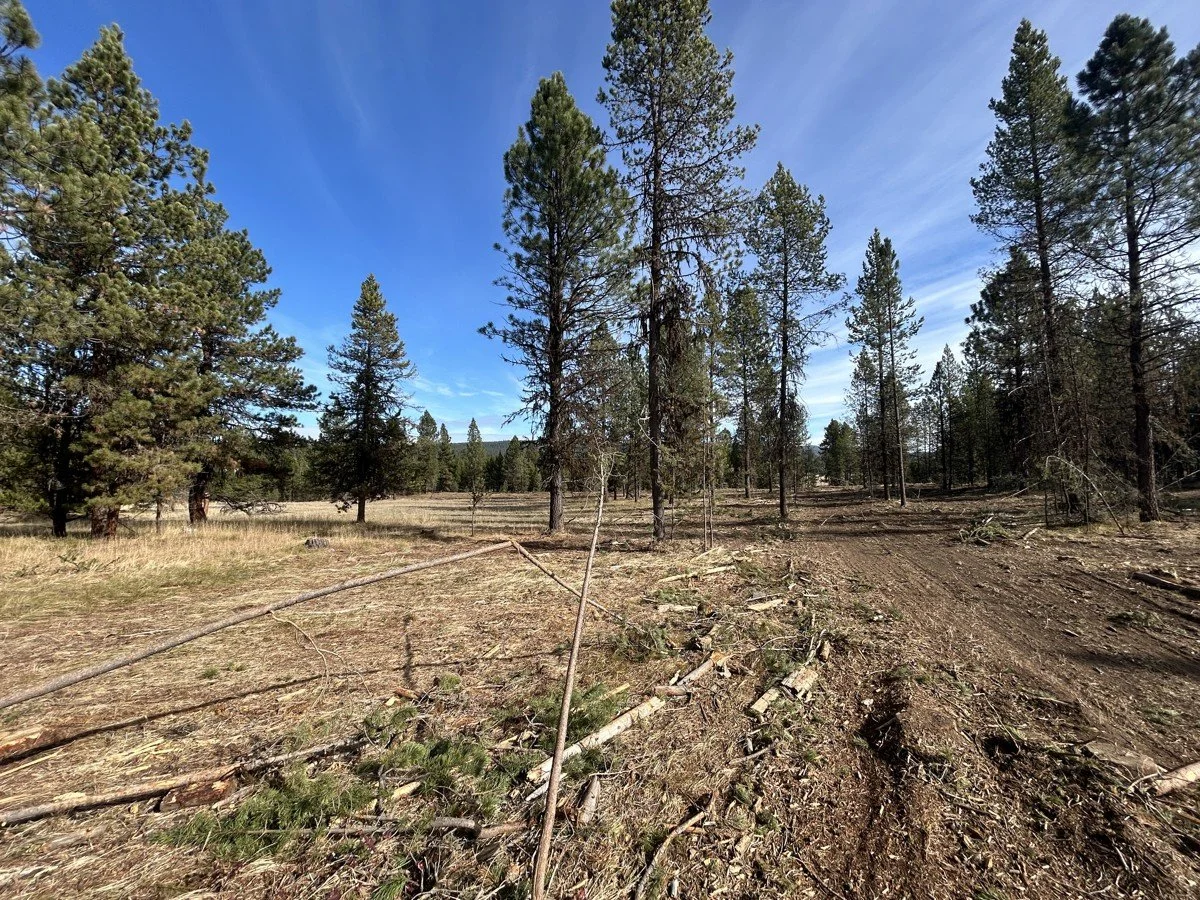
Restoration is also underway in the surrounding forest. With support from an OWEB Restoration Grant, BMLT is addressing dense lodgepole pine growth that developed after past logging and decades of fire suppression. In fall 2026, local contractor Double J Contracting LLC is leading nearly 50 acres of mechanical thinning. Additional hand thinning and invasive annual grass treatments are planned for the coming years.
The forest work and river restoration are designed to support each other. Rather than hauling away or discarding the trees and woody material removed during thinning, the team is preparing much of it for use in the meadow restoration. Larger logs and whole trees will help slow water, reconnect the floodplain, and create fish habitat. Smaller poles and branches will be used in beaver-dam analogs and other structures. Some material will also become fencing to protect new streamside plantings from deer and elk.
It is a practical way to put the whole landscape to work. Forest thinning creates the material needed to restore the river below, reducing waste and project costs along the way. Together, the projects will help Phipps Meadow better withstand drought, wildfire, and changing climate conditions while improving habitat for native fish, wildlife, and culturally important First Foods.
The work at Phipps Meadow is a long-term commitment, built through partnership and a shared responsibility to the land.
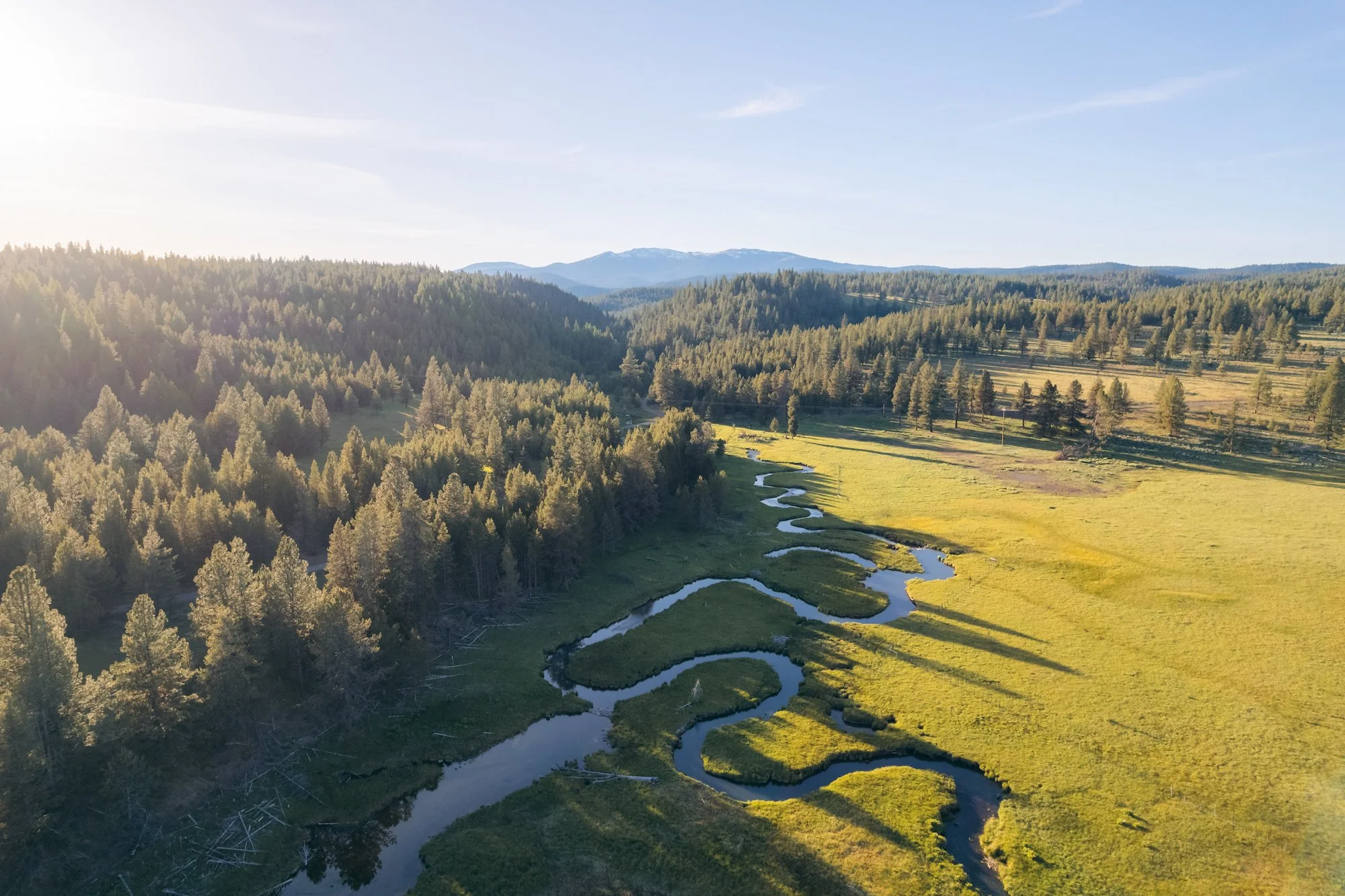
Photograph by Matt Franklin
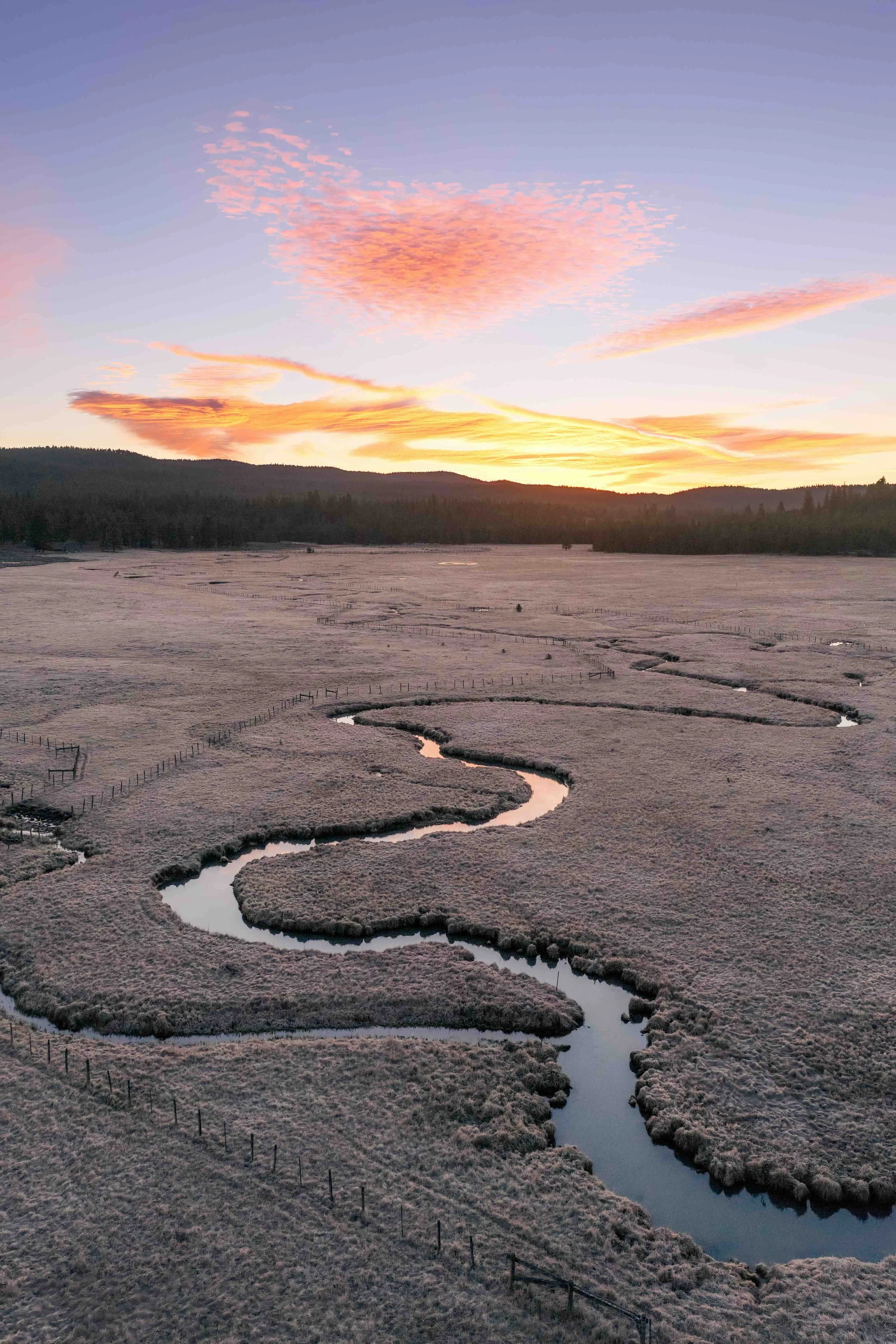
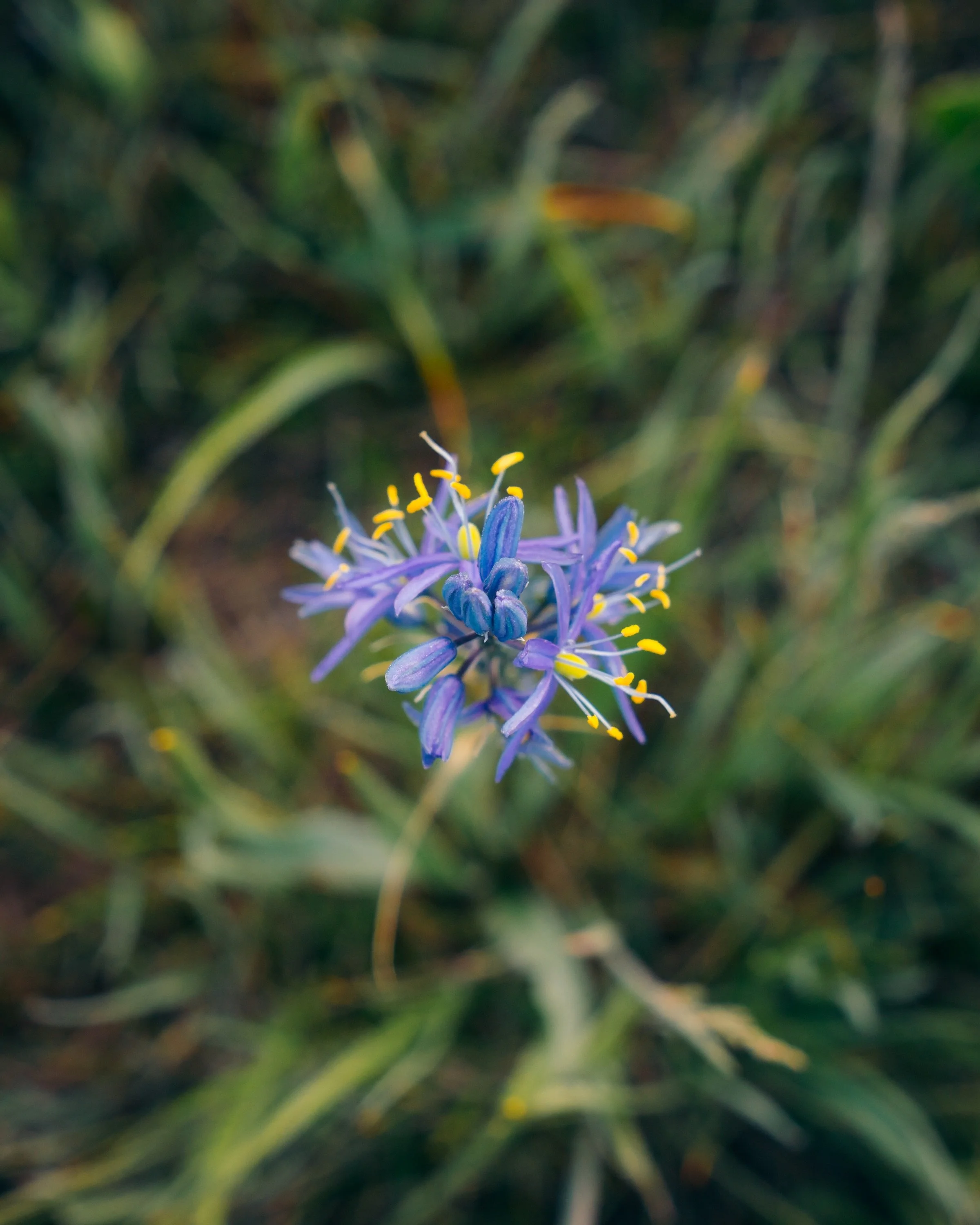
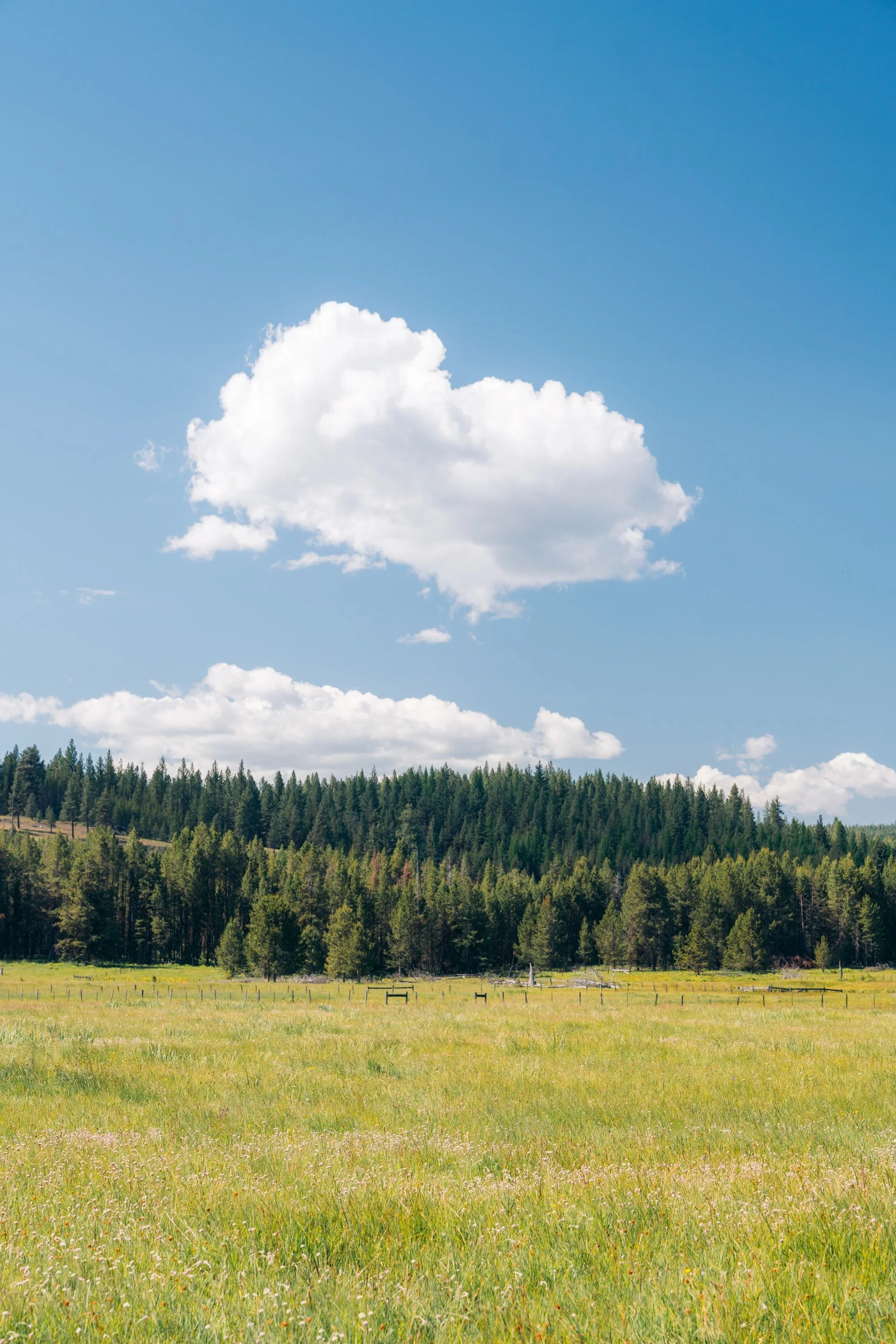
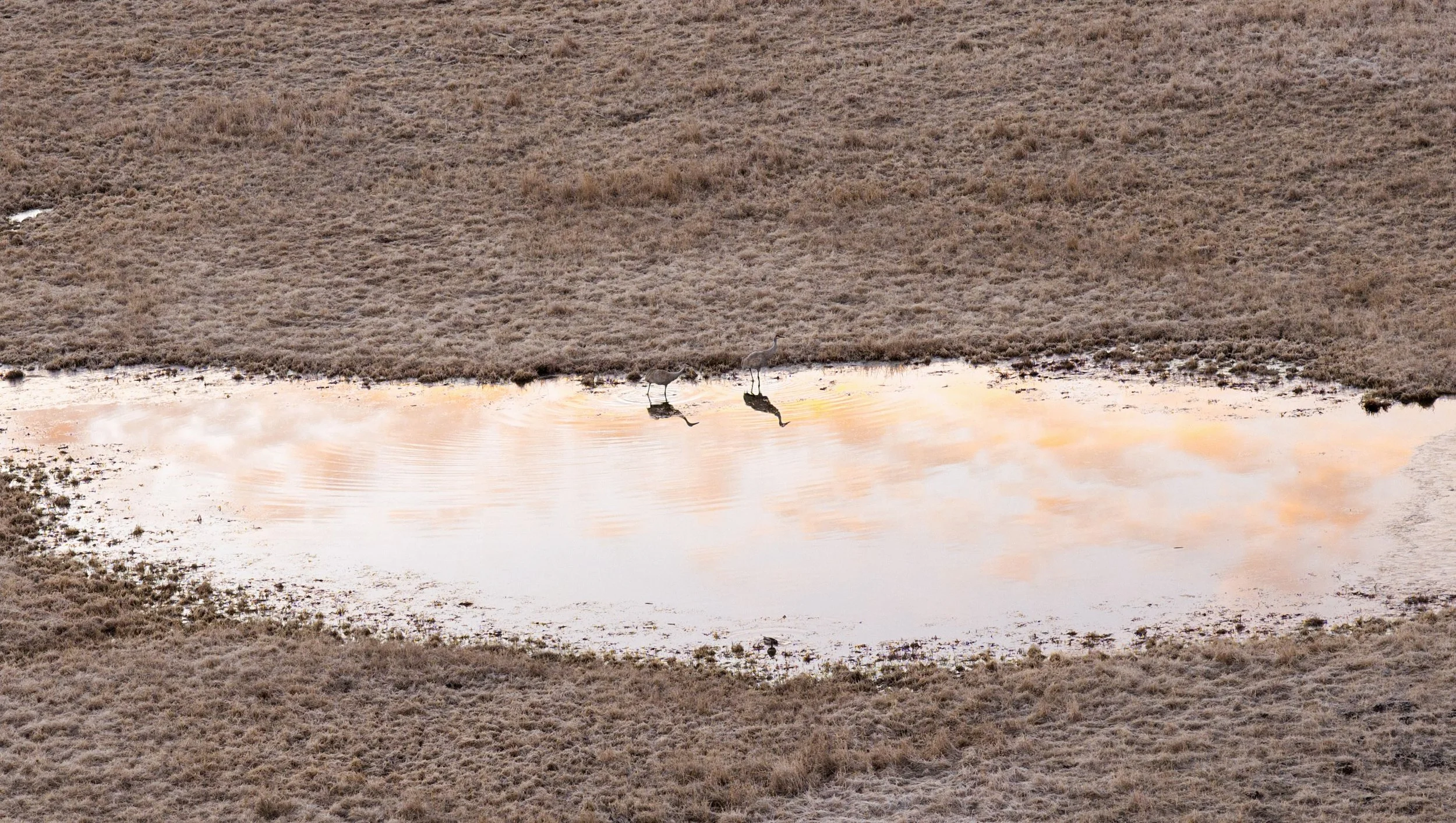
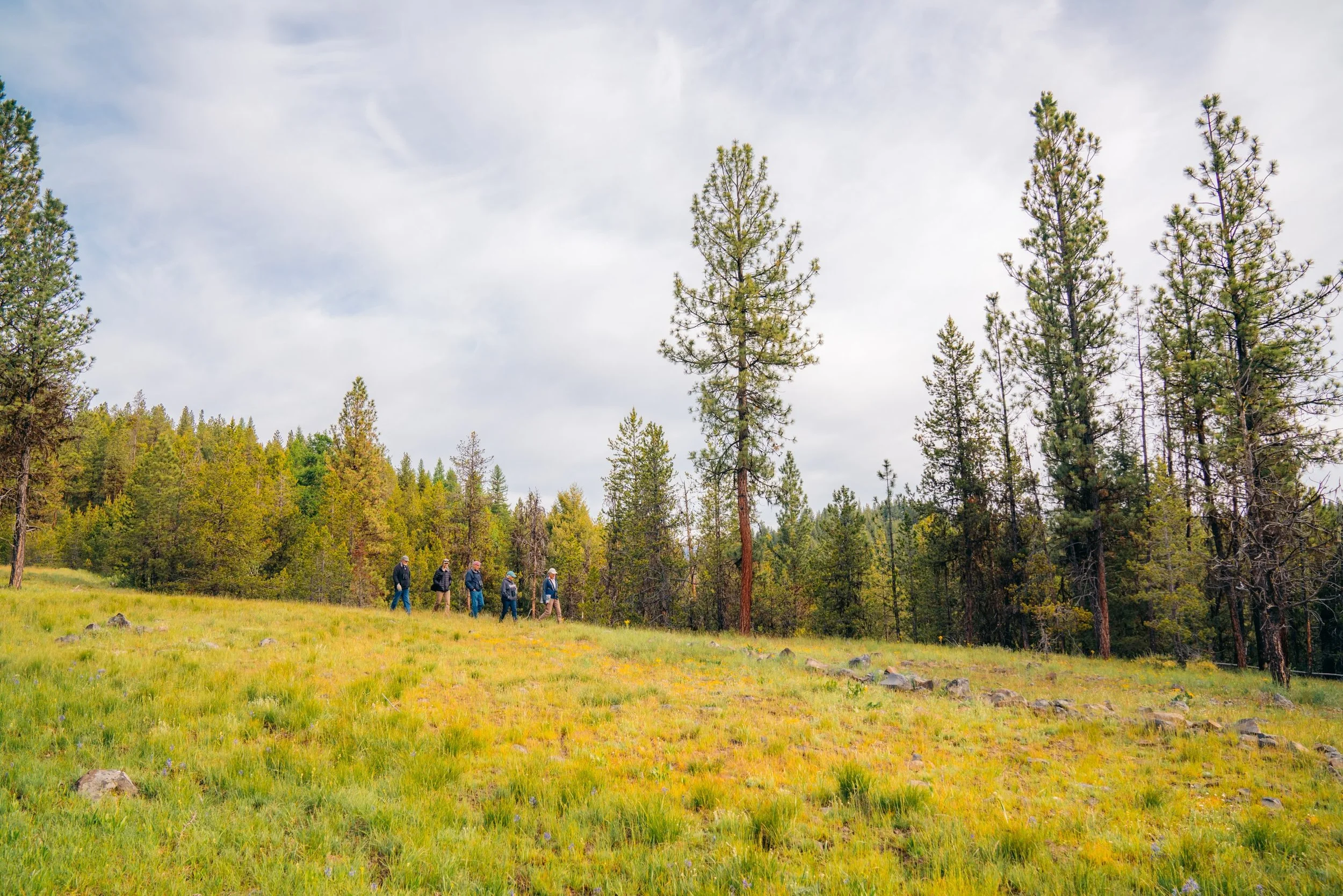
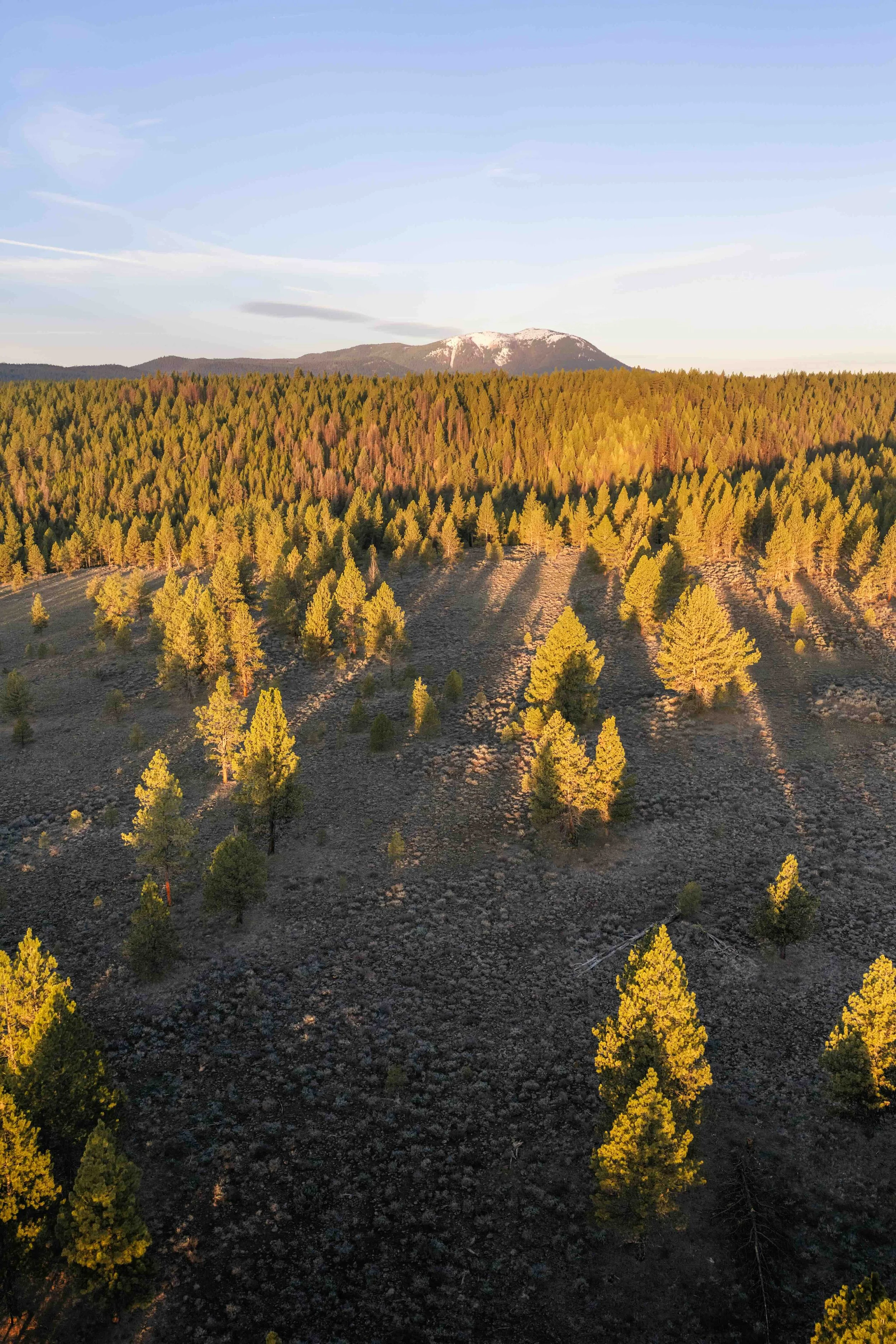
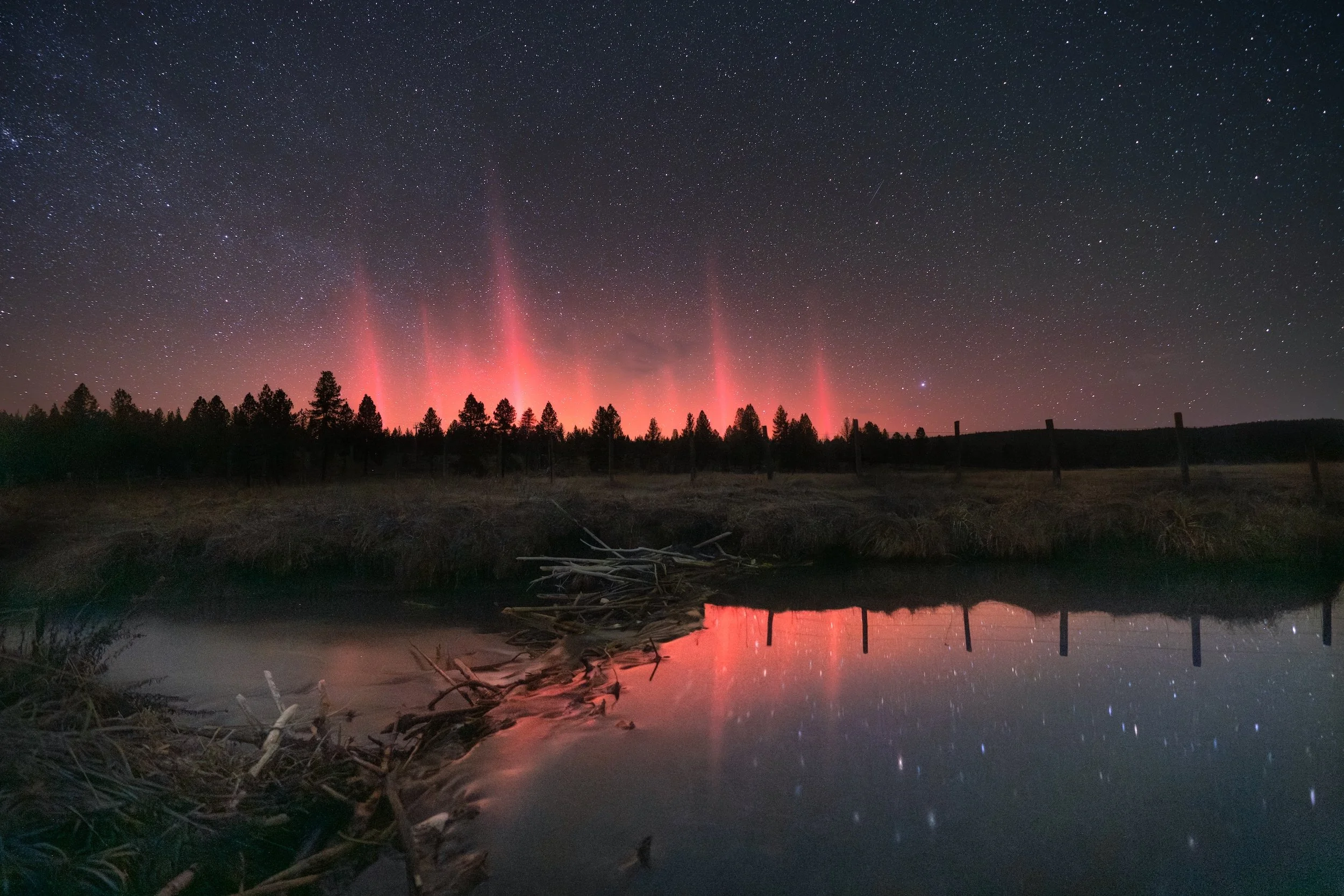
Photo by William Frohne
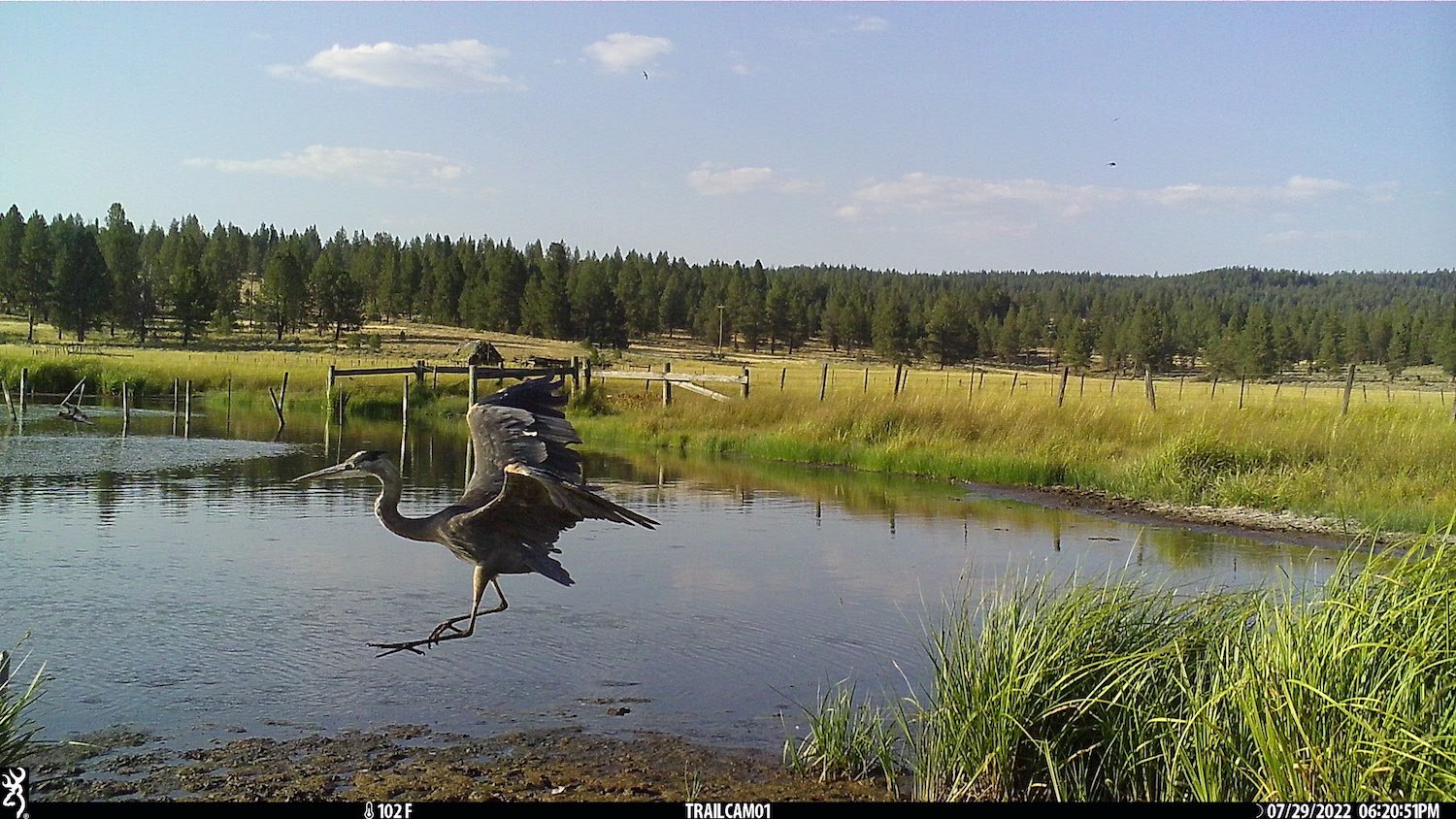
Bird out at Phipps
Follow bird species at Phipps Meadow by using eBird, a free online tool from the Cornell Lab of Ornithology.
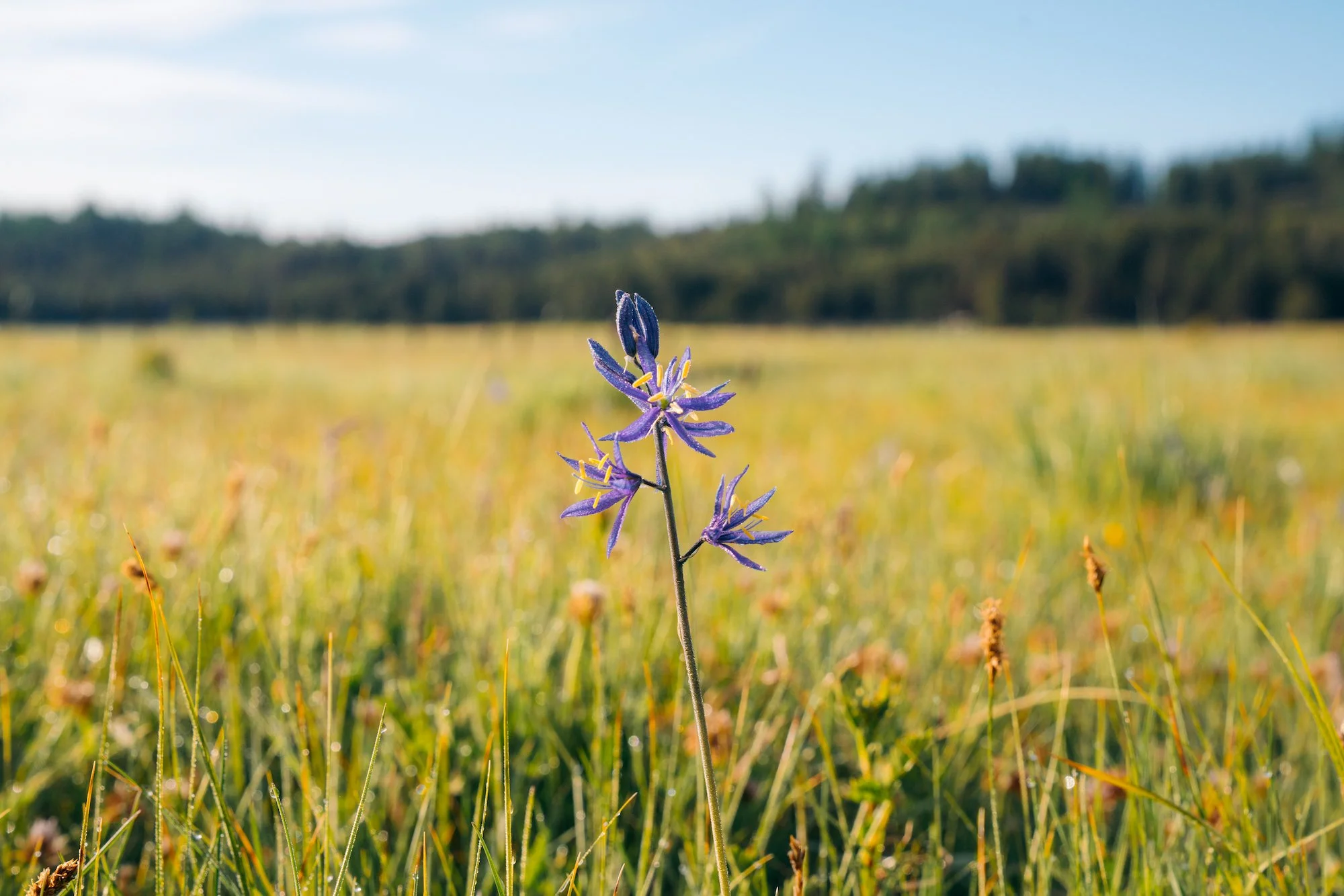
Camas at Phipps Meadow. Photo by Matt Franklin

Give back
Interested in volunteering with the stewardship team on projects? Sign up to stay in the loop.